
Why Most Doctors Recommend Hair Transplant During Winter
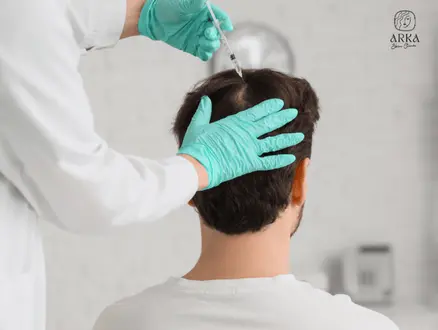
Hair Transplant During Winter is often recommended by doctors because the colder months provide the most comfortable and healing-friendly environment for the procedure. While hair transplant surgery can technically be done at any time of the year, experienced specialists have observed that winter offers several natural advantages that support better recovery and results. At Arka Skin Clinic, a trusted hair transplant clinic in Gurgaon with more than 15 years of experience, doctors have consistently seen smoother healing, improved graft survival, and higher patient comfort when hair transplant procedures are performed during winter. Understanding why season matters can help you plan your treatment wisely and with confidence. Why Timing Matters in a Hair Transplant A hair transplant is a medical procedure that involves relocating healthy hair follicles from a donor area to areas affected by hair thinning or baldness. After the procedure, the scalp needs time to heal and the transplanted follicles need a stable environment to settle properly. Factors like: Excessive heat Sweating Humidity Sun exposure can affect healing and comfort. This is why many hair transplant surgeons in Gurgaon consider winter the most suitable season for the procedure. Why Doctors Prefer Winter for Hair Transplant Procedures Doctors prefer winter for hair transplant procedures because cooler temperatures reduce sweating, which helps transplanted hair follicles heal and settle properly. The lower risk of infection, minimal scalp irritation, and easier post-procedure care make recovery smoother. Patients also experience greater comfort and faster healing in winter, leading to better graft survival and more predictable, natural-looking hair transplant results. Simple Medical Explanation: Cooler temperatures help reduce sweating, irritation, and infection risk. This creates a healthier scalp environment, allowing transplanted hair follicles to heal and grow more effectively. 1. Faster and Safer Healing in Winter One of the biggest benefits of undergoing a hair transplant in winter is faster healing. During colder months: The body sweats less The scalp remains drier Redness and irritation settle quicker Sweating can disturb newly implanted grafts and cause discomfort. Winter naturally minimizes this problem, which is especially beneficial for patients undergoing procedures at a FUE hair transplant clinic in Gurgaon. 2. Reduced Risk of Infection Although hair transplant surgery is safe, proper healing is essential. Warm and humid weather can encourage bacterial growth, increasing the chances of infection. Winter conditions: Keep the scalp cleaner Reduce moisture buildup Support stable healing Doctors at Arka Skin Clinic, regarded as one of the best hair transplant clinics in Gurgaon, often recommend winter procedures because post-treatment complications are less common. 3. Better Graft Survival and Stronger Results After transplantation, hair follicles need time to anchor themselves into the scalp. Any disturbance during this phase can affect final results. Winter helps because: Less sweating keeps grafts secure Lower inflammation supports healing Follicles settle more effectively This leads to better graft survival, which is a key factor in achieving natural-looking density. Patients searching for a hair restoration clinic near me in Gurgaon are often advised to plan their treatment during winter for this reason. 4. Greater Comfort During Recovery Recovery after a hair transplant usually involves mild scabbing and temporary sensitivity. Winter makes this phase more comfortable because: Sun exposure is limited Wearing a cap or scarf feels natural There is less itching compared to summer This allows patients to return to daily routines with confidence, especially working professionals in Gurgaon and Gurugram. 5. Easier Post-Treatment Care After a hair transplant, doctors typically advise patients to: Avoid heavy workouts Stay away from direct sunlight Maintain proper scalp hygiene Winter naturally supports these instructions. People tend to stay indoors more and avoid intense outdoor activities, making aftercare simpler and more manageable. This is particularly helpful for patients choosing a hair transplant clinic in Gurgaon. 6. Ideal Season for Planning Visible Hair Growth Hair transplant results do not appear overnight. The growth process follows a natural cycle: Initial healing in the first few weeks New hair growth starts around 3–4 months Noticeable improvement by 6 months Final results in 9–12 months When the procedure is done in winter: Healing completes by early spring New growth becomes visible by summer Full results are often seen before major social or festive events This timing is often suggested by a top hair transplant doctor in Gurugram for patients who like to plan ahead. Combining Hair Transplant with PRP in Winter Many patients enhance their results by combining surgery with PRP hair treatment in Gurgaon. PRP therapy helps: Strengthen transplanted follicles Improve scalp health Reduce future hair thinning Winter supports PRP effectiveness because: Reduced inflammation improves absorption Healing is faster Blood circulation supports hair growth At Arka Skin Clinic, PRP is commonly recommended as a supportive treatment for long-term hair health. Hair Transplant Cost in Gurgaon: Does Season Affect It? The hair transplant cost in Gurgaon depends on several factors, including: Number of grafts required Technique used Surgeon’s experience While winter does not significantly change pricing, many patients find it easier to plan treatment during this season due to smoother recovery and focused aftercare. Clinics also guide patients toward affordable hair transplant Gurgaon options without compromising medical quality. Experience Matters More Than the Season Although winter offers many benefits, the success of a hair transplant depends largely on the expertise of the clinic and surgeon. With over 15 years of experience, Arka Skin Clinic has earned trust as a reliable hair transplant clinic in Gurgaon by offering: Surgeon-led procedures Advanced FUE techniques Natural hairline design Ethical and transparent guidance Experience ensures that each patient receives personalized care and realistic expectations. Frequently Asked Questions Why do doctors recommend hair transplant in winter? Doctors recommend winter because cooler temperatures reduce sweating, lower infection risk, and support better healing. Is hair transplant safe in winter? Yes, winter is considered one of the safest seasons for hair transplant procedures. How long does recovery take in winter? Most patients recover within 7 to 10 days and return to normal routines shortly after. Does hair grow faster if transplant is done in winter? Hair growth follows
Hair Transplant: What to Expect in Your First 6 Months

Getting a hair transplant is a big and exciting step toward regaining your confidence. But after the procedure, many people wonder what the recovery process will be like and when they can expect to see results. Understanding your hair transplant recovery timeline helps you know what’s normal, what to do at each stage, and how to take proper care of your scalp for the best outcome. This guide from Arka Skin Clinic explains your first 6 months after a hair transplant in simple language — so you can feel informed, calm, and ready for every stage of your recovery. Why It’s Important to Understand Your Hair Transplant Recovery The hair transplant procedure is only one part of your transformation. The real magic happens afterward — during the healing and recovery process. When you know what to expect, you can: Take better post-surgery care of your scalp Avoid unnecessary stress or panic Support faster healing Encourage healthy and natural hair growth Now let’s look at what happens month by month in your hair transplant recovery journey. Week 1: Healing and Care What to Expect: In the first week, your scalp may feel slightly sore or swollen. You might see some redness or tiny scabs where the new hair grafts were placed. This is completely normal and part of the body’s natural healing process. How to Take Care: Use only the shampoo and medicines your doctor recommends. Avoid touching, scratching, or rubbing the grafts. Sleep with your head slightly elevated to reduce swelling. Stay away from sunlight, heat, and sweat. This is the most sensitive stage of your recovery, so handle your scalp very gently. Weeks 2–3: Shedding Phase (Don’t Worry, It’s Normal) What Happens: During the second and third weeks, some of the transplanted hairs may start to fall out. This is called “shock loss” and it’s a completely normal part of the hair transplant healing process. It might feel discouraging, but remember — the roots are still healthy and firmly attached under your scalp. The hair will grow back stronger in the coming months. How to Manage: Continue gentle hair washing. Don’t apply hair oil, gel, or other products unless your doctor says it’s okay. Avoid worrying about hair fall during this stage. It’s temporary. Month 1–2: Internal Healing and Patience You might not see visible changes on the outside during this time, but a lot is happening beneath the surface. The hair roots are healing, adjusting, and preparing for new growth. What You Might Notice: Mild itchiness or tightness on the scalp. Some small pimples where new hair is about to grow. How to Take Care: Keep your scalp clean and lightly moisturized (as advised by your clinic). Avoid heavy exercise and sweating. Eat a balanced diet and stay hydrated. This stage requires patience — even if you don’t see new hair yet, your follicles are doing important internal work. Month 3–4: New Hair Growth Begins By the third or fourth month, you’ll start to notice fine, thin hairs growing in the transplanted area. These new hairs might look soft and light at first, but they will gradually thicken and darken. What to Expect: Early growth may look uneven — this is normal. Some hairs may shed again as they go through the natural growth cycle. Recovery Tips: Avoid chemical treatments or hair coloring. Maintain good nutrition with plenty of protein and vitamins. Continue following all post-op care instructions. This stage marks the exciting start of visible progress in your hair transplant hair growth timeline. Month 5–6: Noticeable Growth and Confidence Boost By the fifth or sixth month, your new hair will be more noticeable. It becomes thicker, stronger, and starts blending naturally with your existing hair. What You’ll See: Increased density in the transplanted area. Improved hair texture and volume. Continued healing of the donor area. How to Take Care: You can resume normal hairstyling. Keep eating a nutritious diet to support growth. Attend follow-up visits at your clinic to track progress. At this point, you’ll feel more confident and positive as your new hair continues to grow each week. What’s Happening Beneath the Surface Even when results aren’t visible right away, your scalp goes through important internal stages: Days 1–10: Grafts take root and stabilize. Weeks 2–6: Temporary hair shedding occurs. Months 2–3: Follicles rest and strengthen. Months 3–6: New hairs begin to grow and thicken. Understanding this natural cycle helps you stay patient and focused during your hair transplant recovery stages. Hair Transplant Recovery Tips for Better Results To make your recovery smooth and effective, follow these essential hair transplant recovery tips: Follow all aftercare instructions from your doctor. Avoid smoking and alcohol during the recovery period. Drink plenty of water and eat a balanced diet. Stay away from tight hats or helmets for the first few weeks. Protect your scalp from sunlight. Keep stress low and sleep well. Be patient — healthy hair takes time to grow. Consistency and care play a major role in achieving a healthy outcome. Your Emotional Recovery: Stay Positive Recovering from a hair transplant is not only physical but also emotional. It’s natural to feel impatient when results take time to appear. Taking monthly photos of your progress helps you see how far you’ve come. Remember, each stage — from shedding to new growth — means your hair is getting stronger. Trust the process and stay positive. When to Contact Clinic While most recoveries go smoothly, you should contact your doctor if you notice: Redness or swelling that lasts more than two weeks Unusual pain or discomfort Any discharge or signs of infection At Arka Skin Clinic, our team is always available to support you and guide you through your recovery journey. Frequently Asked Questions (FAQs) Q1. How long does it take to recover from a hair transplant?Most people heal externally in about 2–3 weeks, while full recovery and visible results take several months. Q2. When can I go back to work?You can usually return to work within a
FUE vs. FUT Hair Transplant: Which Method Delivers Better Results

Hair loss is a common concern affecting millions of people worldwide. It can impact confidence, appearance, and self-esteem. Thankfully, modern hair transplant techniques like FUE vs FUT Hair Transplant provide effective solutions. Both methods are popular, but each has unique advantages, procedures, and outcomes. In this comprehensive guide, we explore the FUE vs FUT comparison, including procedure details, benefits, success rates, costs, results, and patient reviews. Understanding Hair Transplant Techniques: FUE and FUT Before diving into comparisons, it’s important to understand what FUE and FUT hair transplant procedures are. What is FUE Hair Transplant? FUE (Follicular Unit Extraction) involves extracting individual hair follicles from the donor area, usually the back or sides of the head, and implanting them into thinning or bald areas. It’s minimally invasive and does not leave a linear scar. Key Points About FUE Hair Transplant Procedure: Individual follicular units are harvested. Tiny dot-like scars, almost invisible after healing. Faster recovery time, usually 7–10 days. Ideal for short hairstyles and smaller areas of hair loss. Suitable for patients wanting minimal invasiveness. What is FUT Hair Transplant? FUT (Follicular Unit Transplantation), also known as strip surgery, involves removing a strip of scalp from the donor area. The strip is then dissected under a microscope into individual follicular units, which are implanted into bald or thinning areas. Key Points About FUT Hair Transplant Procedure: Strip of scalp removed, then dissected into grafts. Linear scar in the donor area (usually hidden by surrounding hair). Can harvest a larger number of grafts in a single session. Longer recovery time, approximately 10–14 days. Often preferred for extensive hair loss. FUE vs FUT Comparison: Technique, Recovery, and Scarring Understanding the differences helps patients make an informed decision. Here’s a detailed FUE vs FUT comparison: Feature FUE Hair Transplant FUT Hair Transplant Donor Harvest Individual follicles Strip of scalp Scarring Tiny dot-like, almost invisible Linear scar, may be noticeable Recovery Time 7–10 days 10–14 days Pain Level Minimal Moderate Hair Density Moderate, session-dependent High, suitable for large bald areas Best For Small to medium hair loss Extensive hair loss Cost Slightly higher per graft More cost-effective for large sessions Benefits of FUE and FUT Hair Transplant FUE Hair Transplant Benefits Minimal Scarring: Ideal for those who wear short hairstyles. Faster Recovery: Patients return to normal activities within a week. Less Invasive: Fewer stitches and less discomfort. Flexibility: Can be combined with other cosmetic procedures if needed. High Patient Satisfaction: Excellent natural-looking results with careful placement. FUT Hair Transplant Benefits Higher Graft Yield: Large areas can be covered in a single session. Better for Extensive Hair Loss: Provides dense coverage. Cost-Effective for Large Sessions: Less labor-intensive per graft. Precision: Microscopic dissection ensures high-quality grafts. Long-Term Results: Transplanted follicles are usually resistant to hair loss. FUE vs FUT Results: What to Expect Both FUE and FUT deliver natural results, but there are some distinctions: Hair Density: FUT can achieve slightly higher density per session due to the large number of grafts. Scarring: FUE leaves minimal visible scarring, whereas FUT leaves a linear scar that may show with very short hairstyles. Recovery: FUE patients experience quicker healing. Long-Term Growth: Both procedures provide permanent hair growth, with follicles resistant to future hair loss. Success Rates: FUE Hair Transplant vs FUT Hair Transplant Understanding success rates is crucial: FUE hair transplant success rate: 90–95%, depending on surgeon skill and post-operative care. FUT hair transplant success rate: 95–98%, especially effective in large sessions due to intact follicular units. Both methods are highly successful when performed by experienced professionals. FUE vs FUT Cost: How Much Should You Expect? Cost varies depending on clinic, location, and the number of grafts required. FUE vs FUT cost: FUE: Typically higher per graft due to labor-intensive extraction. FUT: More affordable for large sessions as strip harvesting is faster. While FUE is preferred for cosmetic reasons (minimal scarring), FUT can be more cost-effective for patients requiring extensive coverage. FUE vs FUT Reviews: Patient Experiences Patient feedback helps gauge real-world outcomes: FUE reviews: Emphasize minimal scarring, fast recovery, and natural-looking results. Patients appreciate freedom to style short hair after surgery. FUT reviews: Highlight high density and effectiveness for severe hair loss. Some note the linear scar but report high satisfaction overall. Factors to Consider When Choosing Between FUE and FUT Extent of Hair Loss: Small patches may benefit more from FUE; extensive baldness often requires FUT. Hairstyle Preferences: Short hair? FUE is better to minimize visible scarring. Budget: FUT may be more economical for large sessions. Recovery Time: FUE allows quicker return to work and social activities. Surgeon Expertise: Ensure the clinic has experience in both techniques for best outcomes. Frequently Asked Questions (FAQs) Q1. Which hair transplant method is less painful, FUE or FUT?A1. FUE is generally less painful due to minimal invasiveness and no linear incision. FUT may cause moderate discomfort during recovery. Q2. Can I wear short hairstyles after FUT?A2. FUT leaves a linear scar, which can be noticeable with very short hair. FUE is better if you prefer very short hairstyles. Q3. How long does it take to see full results?A3. Hair growth usually begins 3–4 months post-surgery, with full results visible after 9–12 months for both FUE and FUT. Q4. Are FUE results permanent?A4. Yes. Transplanted follicles are resistant to hair loss, making results permanent for most patients. Q5. Which is more cost-effective for large areas?A5. FUT is generally more affordable for extensive hair restoration because more grafts can be harvested in a single session. Q6. Can FUE and FUT be combined?A6. In some cases, surgeons may combine both methods for optimal coverage, especially in patients with significant hair loss. Final Thoughts: FUE vs FUT Hair Transplant When deciding between FUE vs FUT Hair Transplant, both procedures offer excellent results, but your choice depends on hair loss extent, lifestyle, and personal preferences: FUE: Ideal for minimal scarring, quicker recovery, and short hairstyles. FUT: Best for maximum graft yield, dense coverage, and extensive hair loss. Consulting an experienced hair transplant surgeon will