
Best Hair Transplant Treatment for Bald Patches & Thinning
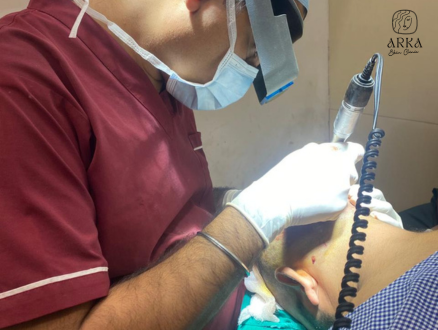
Hair loss can be stressful, especially when it appears as visible bald patches on the scalp. These patches often affect confidence and make people feel uncomfortable in social or professional situations. While many try oils, shampoos, medicines, or home remedies, the results are usually temporary or disappointing. For this reason, more people today are choosing hair transplant for bald patches as a long-term and reliable solution. At Arka Skin Clinic, we provide advanced hair restoration treatments designed to give natural and lasting results. Known as one of the best hair transplant clinics in Gurugram, our clinic offers dermatologist-led procedures using modern techniques for both men and women. What Are Bald Patches and Why Do They Develop? Bald patches are areas on the scalp where hair growth slows down significantly or stops completely. In some people, these patches appear suddenly, while in others they develop gradually over time due to factors like genetics, stress, medical conditions, or scalp-related issues. Common Causes of Bald Patches on the Scalp Several factors can lead to bald patches, including: Genetic hair loss Alopecia areata Hormonal imbalance High stress levels Poor nutrition Scalp infections or injuries Excessive chemical treatments or heat styling Because each case is different, proper diagnosis is essential. Therefore, consulting an experienced dermatologist for hair transplant in Gurugram helps determine whether a hair transplant is the right option. Is Hair Transplant for Bald Patches the Best Treatment? In most cases of permanent hair loss, hair transplant for bald patches is considered the most effective treatment. Unlike temporary solutions, a hair transplant restores actual hair follicles, which allows natural hair growth in bald areas. Moreover, hair transplant is especially helpful when other treatments fail to show visible improvement. As a result, patients experience better density, improved appearance, and long-term satisfaction. Hair transplant is commonly recommended for: Permanent bald patches Patchy hair loss Thinning hair with visible scalp Crown baldness Stable alopecia patches Best Technique for Hair Transplant for Bald Patches – FUE Method The FUE method is the best technique for hair transplant for bald patches, as it involves extracting individual hair follicles and implanting them with precision, ensuring natural-looking results, minimal scarring, faster healing, and long-lasting hair growth. What Is FUE Hair Transplant? Follicular Unit Extraction, commonly known as FUE, is the most advanced technique used for hair transplant for bald patches. In this method, individual hair follicles are taken from the donor area and carefully implanted into bald or thinning areas. Why FUE Is Ideal for Bald Patches FUE is preferred because it offers precision and natural-looking results. In addition, it involves minimal discomfort and faster healing. Key benefits include: No stitches or visible scars Minimal downtime Accurate placement for small or uneven bald patches Natural hair direction and density Suitable for both men and women Because of these advantages, FUE hair transplant for thinning hair and bald patches is widely performed at Arka Skin Clinic. Hair Transplant for Bald Patches in Thinning Hair Thinning hair often leads to visible scalp areas, which later turn into bald patches. Therefore, early treatment can prevent further cosmetic hair loss. How Hair Transplant Helps Thinning Hair Hair transplant improves thinning hair by: Increasing hair density Reducing scalp visibility Strengthening overall hair appearance Blending transplanted hair with existing hair At Arka Skin Clinic, special care is taken to protect existing hair follicles. As a result, patients achieve fuller and more natural-looking hair. Hair Transplant for Crown Bald Patches Crown baldness is one of the most common hair loss patterns, especially in men. However, restoring the crown requires expert planning because hair grows in a circular pattern in this area. Our Approach to Crown Baldness To achieve natural results, we focus on: Understanding natural hair swirl direction Proper graft spacing and density Correct angle and depth of implantation Long-term hair growth planning Therefore, patients achieve natural hair transplant results in Gurgaon that look realistic from all angles. Hair Transplant for Patchy Hair Loss and Alopecia Patches Hair Transplant for Patchy Hair Loss Patchy hair loss may occur due to injury, infection, or localized thinning. In such cases, FUE allows precise graft placement, making it an excellent option for small bald patches. Hair Transplant for Alopecia Patches Hair transplant can also help patients with stable alopecia areata. However, the condition must be inactive before treatment. At Arka Skin Clinic, our hair restoration specialist in Gurugram carefully evaluates: Stability of alopecia Donor hair quality Size and location of patches Only suitable cases are selected to ensure safe and lasting results. Hair Transplant for Men and Women in Gurugram Hair loss patterns differ between men and women. For this reason, treatment planning must be personalized. Hair Transplant for Men Men commonly experience: Receding hairline patches Crown baldness Patchy scalp hair loss Hair Transplant for Women Women often face: Diffuse thinning Widened hair part Frontal or side bald patches Arka Skin Clinic offers hair transplant for men and women in Gurugram, with customized planning for natural density and balanced coverage. Why Arka Skin Clinic Is the Best Choice for Hair Transplant for Bald Patches Choosing the right clinic plays a major role in achieving successful results. What Makes Arka Skin Clinic Trusted Dermatologist-led procedures Advanced FUE technology Personalized treatment plans Strict hygiene and safety standards Consistent natural outcomes Transparent and affordable hair transplant in Gurugram Because of this patient-focused approach, we are considered one of the best hair transplant clinics in Gurugram. Advanced Hair Transplant in Gurgaon Sector 49 Located in Gurgaon Sector 49, Arka Skin Clinic is equipped with modern medical facilities. Our Advanced Setup Includes Latest FUE extraction tools Precision graft implantation devices Sterile procedure rooms Comfortable recovery environment Therefore, patients searching for advanced hair transplant Gurgaon Sector 49 can trust our expertise and infrastructure. Is Hair Transplant for Bald Patches Permanent? Yes, hair transplant for bald patches offers permanent results. This is because the transplanted follicles are taken from areas resistant to hair fall. Hair Growth Timeline After Transplant First 2–3 months: Temporary shedding phase 3–6 months:
Best Hair Transplant Options in 2025 Complete Guide

Hair loss affects millions of men and women worldwide. It can begin early due to genetics or appear later because of stress, illness, or aging. Many people try shampoos, oils, or medications; however, these often provide only temporary or limited results. In contrast, a hair transplant offers a medical solution that restores your own natural hair permanently. This guide explains the process step by step. It covers what hair transplant guide are, the techniques used, recovery, results, risks, and real-life examples of who benefits the most. What Is a Hair Transplant? A hair transplant is a procedure in which healthy hair follicles move from one part of your scalp (the “donor area,” usually the back of your head) to bald or thinning areas (the “recipient area”). Once transplanted, the hair continues to grow naturally in its new location, just like the rest of your hair. Why Consider a Hair Transplant? People choose hair transplants for several reasons: Genetic baldness: The most common cause of hair loss. Scarring from accidents or surgery: A transplant can cover scars. Self-confidence: Restoring hair often boosts personal and professional confidence. Failed alternatives: Many patients come to Arka Skin Clinic after trying medications or PRP therapy without long-term success. Example: A 35-year-old man with male pattern baldness may regain a fuller hairline and feel more confident in his career and social life after a transplant. Types of Hair Transplant Techniques 1. Follicular Unit Transplantation (FUT) The surgeon removes a thin strip of scalp from the donor area. Hair follicles are then separated under a microscope and transplanted. This method leaves a fine linear scar, usually hidden under hair. It works best for patients who need large coverage in one session. Example: FUT is often chosen by patients with advanced baldness who want maximum grafts in fewer sittings. 2. Follicular Unit Extraction (FUE) Individual hair follicles are extracted directly from the donor area using tiny punches. The surgeon implants follicles into the recipient area one by one. This method leaves no visible scar and allows quicker recovery. It is popular among younger patients who prefer short hairstyles. Example: A man in his 20s with early hairline thinning may choose FUE because it leaves no visible scar, allowing him to maintain a short haircut. Who Is a Good Candidate for a Hair Transplant? At Arka Skin Clinic, doctors carefully evaluate patients before recommending a procedure. They consider: Age: Ideal candidates are usually over 25, when hair loss patterns stabilize. Extent of hair loss: Early thinning may respond to PRP, while baldness often requires a transplant. Donor hair availability: Strong hair at the back or sides increases success. Health: People with chronic conditions may need extra precautions. Example: A 40-year-old woman with thinning along her part line but strong donor hair at the back of her scalp often qualifies as an excellent candidate. What Happens During the Procedure? At Arka Skin Clinic, the procedure follows a structured process: Consultation: The doctor examines your scalp and designs a natural-looking hairline. Preparation: Local anesthesia ensures comfort throughout the session. Extraction: Follicles are collected using FUT or FUE. Implantation: The surgeon places follicles at the correct angle and density. Completion: The scalp is cleaned, and you receive aftercare instructions. Example: In an FUE procedure, 2,000 grafts may be transplanted in one session to cover a receding hairline and crown area. Recovery After a Hair Transplant Recovery usually feels straightforward, and progress follows clear stages: Day 1–2: Mild swelling or tightness may occur. Day 3–5: Tiny scabs form around grafts. 2 weeks: Scabs fall off naturally. 1–3 months: Transplanted hair sheds, making way for new growth. 3–6 months: New hair begins growing visibly. 9–12 months: Final results appear. Example: A patient who undergoes a transplant in January may see visible new growth by May and enjoy a natural, full look by December. Benefits of a Hair Transplant Permanent solution: Unlike wigs or topical products, transplanted hair grows for life. Low maintenance: Once it grows, no special care is required. Natural look: When performed by skilled specialists, results blend seamlessly. Cost-effective long term: The upfront investment lasts a lifetime. Example: A patient who spent years buying expensive shampoos finds one transplant session more effective and cost-saving in the long run. Risks and Considerations Although generally safe, some risks exist: Temporary numbness in the treated area. Uneven density if handled by inexperienced surgeons. Therefore, choosing a trusted clinic like Arka Skin Clinic reduces these risks through proper hygiene, advanced technology, and skilled specialists. Cost of a Hair Transplant The price varies depending on: The number of grafts required. The surgeon’s experience. The clinic’s facilities and technology. Example: Someone needing 1,500 grafts for hairline correction may pay significantly less than a patient requiring 4,000 grafts for full coverage. Results: What to Expect After a Hair Transplant Early Stage: Some shedding is normal and temporary. Medium Stage: New hair first appears fine but thickens over time. Final Stage: After 12 months, results look completely natural. Example: A patient bald on the crown may see patchy coverage by month 4, fuller growth by month 8, and a natural look by month 12. Hair Transplant Guide: Quick Checklist Book a consultation with a qualified doctor. Decide between FUT or FUE based on your needs. Follow aftercare instructions carefully. Stay patient—results take up to a year. FAQs on Hair Transplants Q1: Is the hair transplant procedure painful?A: No. Local anesthesia ensures patients feel only mild discomfort. Q2: How long do the results last?A: Results remain permanent because transplanted hair grows for life. Q3: Can women undergo hair transplants?A: Yes. Women with thinning hair or bald patches often benefit. Q4: How soon can I return to work?A: Most patients resume normal activities within 3–5 days. Q5: Can a transplant fix complete baldness?A: It depends on the availability of donor hair. Conclusion Hair Transplant Guide Hair loss does not need to define your future. A Hair Transplant Guide provides a safe, natural, and lasting solution. By understanding the techniques, benefits, and expectations,