Book an Appointment

Hair Transplant: What to Expect in Your First 6 Months

Hair Transplant Recovery

Getting a hair transplant is a big and exciting step toward regaining your confidence. But after the procedure, many people wonder what the recovery process will be like and when they can expect to see results. Understanding your hair transplant recovery timeline helps you know what’s normal, what to do at each stage, and how to take proper care of your scalp for the best outcome. This guide from Arka Skin Clinic explains your first 6 months after a hair transplant in simple language — so you can feel informed, calm, and ready for every stage of your recovery. Why It’s Important to Understand Your Hair Transplant Recovery The hair transplant procedure is only one part of your transformation. The real magic happens afterward — during the healing and recovery process. When you know what to expect, you can: Take better post-surgery care of your scalp Avoid unnecessary stress or panic Support faster healing Encourage healthy and natural hair growth Now let’s look at what happens month by month in your hair transplant recovery journey. Week 1: Healing and Care What to Expect: In the first week, your scalp may feel slightly sore or swollen. You might see some redness or tiny scabs where the new hair grafts were placed. This is completely normal and part of the body’s natural healing process. How to Take Care: Use only the shampoo and medicines your doctor recommends. Avoid touching, scratching, or rubbing the grafts. Sleep with your head slightly elevated to reduce swelling. Stay away from sunlight, heat, and sweat. This is the most sensitive stage of your recovery, so handle your scalp very gently. Weeks 2–3: Shedding Phase (Don’t Worry, It’s Normal) What Happens: During the second and third weeks, some of the transplanted hairs may start to fall out. This is called “shock loss” and it’s a completely normal part of the hair transplant healing process. It might feel discouraging, but remember — the roots are still healthy and firmly attached under your scalp. The hair will grow back stronger in the coming months. How to Manage: Continue gentle hair washing. Don’t apply hair oil, gel, or other products unless your doctor says it’s okay. Avoid worrying about hair fall during this stage. It’s temporary. Month 1–2: Internal Healing and Patience You might not see visible changes on the outside during this time, but a lot is happening beneath the surface. The hair roots are healing, adjusting, and preparing for new growth. What You Might Notice: Mild itchiness or tightness on the scalp. Some small pimples where new hair is about to grow. How to Take Care: Keep your scalp clean and lightly moisturized (as advised by your clinic). Avoid heavy exercise and sweating. Eat a balanced diet and stay hydrated. This stage requires patience — even if you don’t see new hair yet, your follicles are doing important internal work. Month 3–4: New Hair Growth Begins By the third or fourth month, you’ll start to notice fine, thin hairs growing in the transplanted area. These new hairs might look soft and light at first, but they will gradually thicken and darken. What to Expect: Early growth may look uneven — this is normal. Some hairs may shed again as they go through the natural growth cycle. Recovery Tips: Avoid chemical treatments or hair coloring. Maintain good nutrition with plenty of protein and vitamins. Continue following all post-op care instructions. This stage marks the exciting start of visible progress in your hair transplant hair growth timeline. Month 5–6: Noticeable Growth and Confidence Boost By the fifth or sixth month, your new hair will be more noticeable. It becomes thicker, stronger, and starts blending naturally with your existing hair. What You’ll See: Increased density in the transplanted area. Improved hair texture and volume. Continued healing of the donor area. How to Take Care: You can resume normal hairstyling. Keep eating a nutritious diet to support growth. Attend follow-up visits at your clinic to track progress. At this point, you’ll feel more confident and positive as your new hair continues to grow each week. What’s Happening Beneath the Surface Even when results aren’t visible right away, your scalp goes through important internal stages: Days 1–10: Grafts take root and stabilize. Weeks 2–6: Temporary hair shedding occurs. Months 2–3: Follicles rest and strengthen. Months 3–6: New hairs begin to grow and thicken. Understanding this natural cycle helps you stay patient and focused during your hair transplant recovery stages. Hair Transplant Recovery Tips for Better Results To make your recovery smooth and effective, follow these essential hair transplant recovery tips: Follow all aftercare instructions from your doctor. Avoid smoking and alcohol during the recovery period. Drink plenty of water and eat a balanced diet. Stay away from tight hats or helmets for the first few weeks. Protect your scalp from sunlight. Keep stress low and sleep well. Be patient — healthy hair takes time to grow. Consistency and care play a major role in achieving a healthy outcome. Your Emotional Recovery: Stay Positive Recovering from a hair transplant is not only physical but also emotional. It’s natural to feel impatient when results take time to appear. Taking monthly photos of your progress helps you see how far you’ve come. Remember, each stage — from shedding to new growth — means your hair is getting stronger. Trust the process and stay positive. When to Contact Clinic While most recoveries go smoothly, you should contact your doctor if you notice: Redness or swelling that lasts more than two weeks Unusual pain or discomfort Any discharge or signs of infection At Arka Skin Clinic, our team is always available to support you and guide you through your recovery journey. Frequently Asked Questions (FAQs) Q1. How long does it take to recover from a hair transplant?Most people heal externally in about 2–3 weeks, while full recovery and visible results take several months. Q2. When can I go back to work?You can usually return to work within a

Advantages and Disadvantages of PRP Therapy in Hair Treatment

PRP therapy

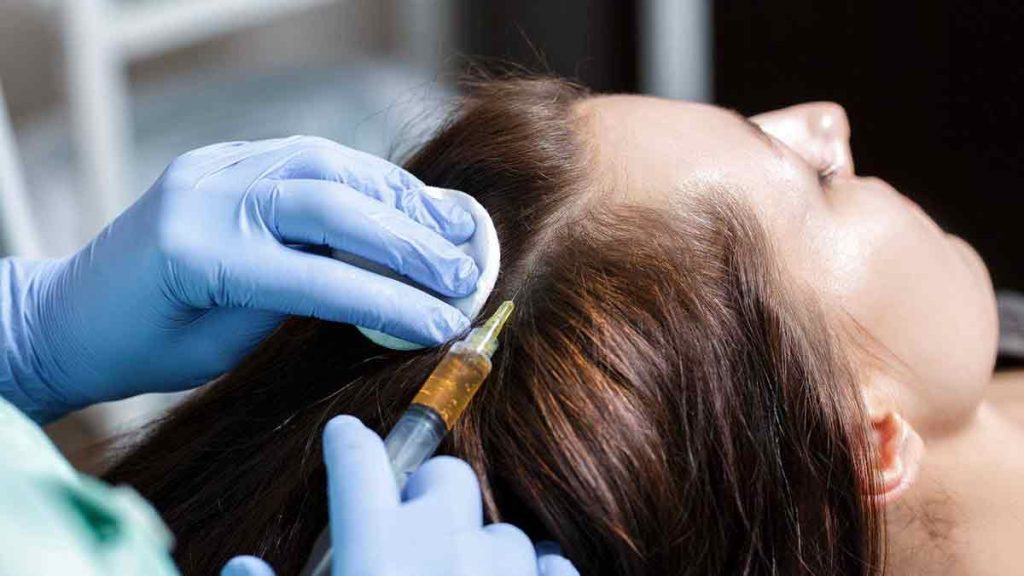
PRP therapy stands for Platelet-Rich Plasma. It is a non-surgical treatment designed to stimulate natural hair growth the use of your body’s plasma. This remedy has gained a reputation because of its promising consequences and minimum downtime. At Arka Skin Clinic, we have find out how PRP hair treatment can restore confidence. Still, like each treatment, it comes with its benefits and barriers. Introduction: Why People are Talking About PRP for Hair Loss Hair loss may be emotionally draining. Whether it is a receding hairline, thinning crown, or patchy bald spots, the priority is actual and rising, especially amongst young adults. Patients in Gurgaon, both ladies and men, are now seeking out secure and powerful solutions. And PRP remedy is frequently at the top of that list. In this blog, we will stroll you through the real blessings and downsides of PRP hair treatment. What is PRP Therapy? PRP stands for Platelet-Rich Plasma. It is a non-surgical treatment designed to stimulate natural hair growth and the use of your body’s own plasma. This remedy has gained a reputation because of its promising consequences and minimum downtime. At Arka Skin Clinic, we have seen how hair care can restore confidence. Still, like each treatment, it comes with its benefits and barriers. You will learn: How PRP works Who is it ideal for Key benefits you can expect Common risks and side effects FAQs you may have And what makes Arka Skin Clinic a trusted choice in Gurgaon How Does PRP Treatment Work? Step-by-step Breakdown: Blood Drawn – A small amount of your blood is collected. Centrifugation – The blood is spun to separate platelet-rich plasma. Injection – This PRP is then injected into areas of the scalp experiencing hair loss. The growth factors in the plasma stimulate dormant hair follicles, encouraging natural regrowth. Who is a Good Candidate for PRP? You may be an ideal candidate if: You’re experiencing early-stage hair thinning You have androgenic alopecia (common pattern baldness) You prefer a non-surgical treatment Your hair follicles are still active Advantages of PRP Therapy for Hair Treatment PRP therapy has helped many patients regain their lost hair and confidence. Here are its major advantages: Natural and Safe No foreign substances Uses your blood Low risk of allergic reactions Minimally Invasive No surgery or incisions Just a few simple injections Quick recovery time Boosts Hair Growth Naturally Encourages thicker, denser hair Helps reduce hair fall Stimulates inactive follicles Suitable for Men and Women Works for both genders Effective across most age groups Quick Sessions Each session takes 30–60 minutes No hospitalization required Resume work the same day Long-Term Benefits Regular sessions can offer sustained results Often paired with other treatments for enhanced effect Clinically Backed Supported by dermatological studies Frequently recommended by top dermatologists in Gurgaon  Disadvantages of PRP Therapy PRP is not a miracle cure. It has certain downsides to be aware of. Results Take Time Improvement is gradual Visible changes may take 3–6 months Multiple Sessions Required A complete cycle may need 3–6 sessions Maintenance sessions every 4–6 months Not Effective for Complete Baldness Does not regrow hair in fully bald areas Works best where follicles are still present Temporary Discomfort Injections can cause mild pain or swelling Redness or slight bruising is possible No Guarantee Results vary person to person Some may not respond to treatment Cost Consideration Can be expensive if long-term sessions are needed Not usually covered by insurance Arka Skin Clinic’s Approach to PRP Hair Therapy At Arka Skin Clinic, we combine advanced PRP techniques with individualized plans. Why Choose Us? Experienced and certified dermatologists State-of-the-art equipment Transparent consultations Personalized treatment plans Post-treatment follow-up We’ve helped hundreds of clients in Gurgaon achieve visible hair improvement with our proven methods. What to Expect After a PRP Session? Immediately After Mild soreness or tightness in the scalp Can resume normal activities the same day In 2–3 Weeks Reduction in hair shedding Improved hair texture In 3–6 Months Visible growth in thinning areas Fuller, denser hair With Continued Sessions Maintains long-term results Strengthens follicles Risks and Side Effects of PRP Therapy Though rare, side effects may include: Scalp tenderness Itching Swelling Temporary headache Minor infection (if hygiene is not maintained) All procedures at Arka are conducted under strict safety protocols by certified experts. Before and After PRP Hair Treatment Seeing is believing. Patients who follow the treatment plan diligently often experience: Increased hair density Reduced hair fall Healthier, shinier strands How to Prepare for PRP Treatment? To get the best results: Avoid smoking and alcohol for 3–5 days before the session Eat a healthy meal before your appointment Stay hydrated Stop using blood-thinning medications if advised Conclusion: Is PRP Hair Therapy Right for You? PRP hair therapy is a promising solution for those facing mild to moderate hair loss. It’s safe, natural, and non-invasive. But it’s not for everyone. To truly know if it fits your condition, expert consultation is key. At Arka Skin Clinic, we help you make informed decisions. Our goal is not just treatment, but transformation. Ready to take the first step? Book your consultation today with the best dermatologist in Gurgaon at Arka. Because your hair deserves expert care. FAQs: PRP Hair Treatment How many sessions of PRP do I need? Most people need 3–4 sessions spaced 4–6 weeks apart. Maintenance sessions may be required every 4–6 months. Is PRP therapy painful? Mild discomfort is possible, but numbing cream is used to minimize pain. Most people find it tolerable. Can PRP regrow hair on bald patches? It’s more effective in areas with thinning hair, not complete baldness. Follicles must still be active. Are the results of PRP permanent? Results can last 12–18 months with proper care and follow-up sessions. Genetics and lifestyle also play a role. Is PRP safe? Yes. Since PRP uses your own blood, it’s considered very safe when done by a certified professional. What is the cost of PRP hair treatment at Arka Skin Clinic? Cost depends on the number of sessions and individual needs. Our team provides a clear cost estimate during your first consultation. Still Thinking?

Hair Care

Are you tired of dealing with hair loss? Don’t worry – Arka Skin Clinic has covered you with the Hair Care Treatment in Gurgaon you deserve. Our hair care treatment is designed to diagnose, treat, and care for your hair. We follow industry standard procedures with our Best Doctors for Hair Loss Treatment in Gurgaon. Our Hair Care treatment clinic: Best Doctors for Hair Loss Treatment in Gurgaon and trained to use the latest technology and techniques to diagnose. Here are some reasons why Arka Skin Clinic’s treatment is the best: Why Arka Skin Clinic Provides The Best Treatment For Hair Care and Hair Loss In Gurgaon Arka Skin Clinic provides the Best Hair Loss Treatment in Gurgaon, offering various solutions to help individuals restore hair. Arka Skin Clinic offers a variety of hair treatment benefits. Conclusion At Arka Skin Clinic, we offer a comprehensive range services . Our Best Hair Loss Treatment Doctors In Gurgaon provide the best results possible using the latest technology. So, if you want to transform your hair and achieve the desired look, book an appointment with us today!