
Why Most Doctors Recommend Hair Transplant During Winter
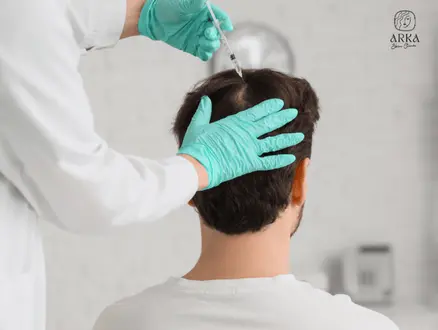
Hair Transplant During Winter is often recommended by doctors because the colder months provide the most comfortable and healing-friendly environment for the procedure. While hair transplant surgery can technically be done at any time of the year, experienced specialists have observed that winter offers several natural advantages that support better recovery and results. At Arka Skin Clinic, a trusted hair transplant clinic in Gurgaon with more than 15 years of experience, doctors have consistently seen smoother healing, improved graft survival, and higher patient comfort when hair transplant procedures are performed during winter. Understanding why season matters can help you plan your treatment wisely and with confidence. Why Timing Matters in a Hair Transplant A hair transplant is a medical procedure that involves relocating healthy hair follicles from a donor area to areas affected by hair thinning or baldness. After the procedure, the scalp needs time to heal and the transplanted follicles need a stable environment to settle properly. Factors like: Excessive heat Sweating Humidity Sun exposure can affect healing and comfort. This is why many hair transplant surgeons in Gurgaon consider winter the most suitable season for the procedure. Why Doctors Prefer Winter for Hair Transplant Procedures Doctors prefer winter for hair transplant procedures because cooler temperatures reduce sweating, which helps transplanted hair follicles heal and settle properly. The lower risk of infection, minimal scalp irritation, and easier post-procedure care make recovery smoother. Patients also experience greater comfort and faster healing in winter, leading to better graft survival and more predictable, natural-looking hair transplant results. Simple Medical Explanation: Cooler temperatures help reduce sweating, irritation, and infection risk. This creates a healthier scalp environment, allowing transplanted hair follicles to heal and grow more effectively. 1. Faster and Safer Healing in Winter One of the biggest benefits of undergoing a hair transplant in winter is faster healing. During colder months: The body sweats less The scalp remains drier Redness and irritation settle quicker Sweating can disturb newly implanted grafts and cause discomfort. Winter naturally minimizes this problem, which is especially beneficial for patients undergoing procedures at a FUE hair transplant clinic in Gurgaon. 2. Reduced Risk of Infection Although hair transplant surgery is safe, proper healing is essential. Warm and humid weather can encourage bacterial growth, increasing the chances of infection. Winter conditions: Keep the scalp cleaner Reduce moisture buildup Support stable healing Doctors at Arka Skin Clinic, regarded as one of the best hair transplant clinics in Gurgaon, often recommend winter procedures because post-treatment complications are less common. 3. Better Graft Survival and Stronger Results After transplantation, hair follicles need time to anchor themselves into the scalp. Any disturbance during this phase can affect final results. Winter helps because: Less sweating keeps grafts secure Lower inflammation supports healing Follicles settle more effectively This leads to better graft survival, which is a key factor in achieving natural-looking density. Patients searching for a hair restoration clinic near me in Gurgaon are often advised to plan their treatment during winter for this reason. 4. Greater Comfort During Recovery Recovery after a hair transplant usually involves mild scabbing and temporary sensitivity. Winter makes this phase more comfortable because: Sun exposure is limited Wearing a cap or scarf feels natural There is less itching compared to summer This allows patients to return to daily routines with confidence, especially working professionals in Gurgaon and Gurugram. 5. Easier Post-Treatment Care After a hair transplant, doctors typically advise patients to: Avoid heavy workouts Stay away from direct sunlight Maintain proper scalp hygiene Winter naturally supports these instructions. People tend to stay indoors more and avoid intense outdoor activities, making aftercare simpler and more manageable. This is particularly helpful for patients choosing a hair transplant clinic in Gurgaon. 6. Ideal Season for Planning Visible Hair Growth Hair transplant results do not appear overnight. The growth process follows a natural cycle: Initial healing in the first few weeks New hair growth starts around 3–4 months Noticeable improvement by 6 months Final results in 9–12 months When the procedure is done in winter: Healing completes by early spring New growth becomes visible by summer Full results are often seen before major social or festive events This timing is often suggested by a top hair transplant doctor in Gurugram for patients who like to plan ahead. Combining Hair Transplant with PRP in Winter Many patients enhance their results by combining surgery with PRP hair treatment in Gurgaon. PRP therapy helps: Strengthen transplanted follicles Improve scalp health Reduce future hair thinning Winter supports PRP effectiveness because: Reduced inflammation improves absorption Healing is faster Blood circulation supports hair growth At Arka Skin Clinic, PRP is commonly recommended as a supportive treatment for long-term hair health. Hair Transplant Cost in Gurgaon: Does Season Affect It? The hair transplant cost in Gurgaon depends on several factors, including: Number of grafts required Technique used Surgeon’s experience While winter does not significantly change pricing, many patients find it easier to plan treatment during this season due to smoother recovery and focused aftercare. Clinics also guide patients toward affordable hair transplant Gurgaon options without compromising medical quality. Experience Matters More Than the Season Although winter offers many benefits, the success of a hair transplant depends largely on the expertise of the clinic and surgeon. With over 15 years of experience, Arka Skin Clinic has earned trust as a reliable hair transplant clinic in Gurgaon by offering: Surgeon-led procedures Advanced FUE techniques Natural hairline design Ethical and transparent guidance Experience ensures that each patient receives personalized care and realistic expectations. Frequently Asked Questions Why do doctors recommend hair transplant in winter? Doctors recommend winter because cooler temperatures reduce sweating, lower infection risk, and support better healing. Is hair transplant safe in winter? Yes, winter is considered one of the safest seasons for hair transplant procedures. How long does recovery take in winter? Most patients recover within 7 to 10 days and return to normal routines shortly after. Does hair grow faster if transplant is done in winter? Hair growth follows
Best Hair Transplant Treatment for Bald Patches & Thinning
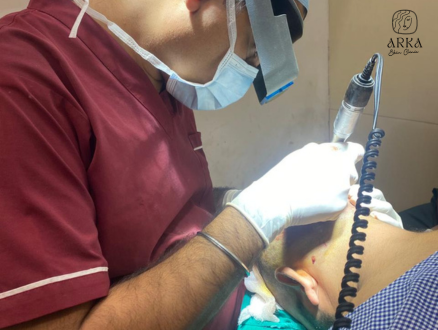
Hair loss can be stressful, especially when it appears as visible bald patches on the scalp. These patches often affect confidence and make people feel uncomfortable in social or professional situations. While many try oils, shampoos, medicines, or home remedies, the results are usually temporary or disappointing. For this reason, more people today are choosing hair transplant for bald patches as a long-term and reliable solution. At Arka Skin Clinic, we provide advanced hair restoration treatments designed to give natural and lasting results. Known as one of the best hair transplant clinics in Gurugram, our clinic offers dermatologist-led procedures using modern techniques for both men and women. What Are Bald Patches and Why Do They Develop? Bald patches are areas on the scalp where hair growth slows down significantly or stops completely. In some people, these patches appear suddenly, while in others they develop gradually over time due to factors like genetics, stress, medical conditions, or scalp-related issues. Common Causes of Bald Patches on the Scalp Several factors can lead to bald patches, including: Genetic hair loss Alopecia areata Hormonal imbalance High stress levels Poor nutrition Scalp infections or injuries Excessive chemical treatments or heat styling Because each case is different, proper diagnosis is essential. Therefore, consulting an experienced dermatologist for hair transplant in Gurugram helps determine whether a hair transplant is the right option. Is Hair Transplant for Bald Patches the Best Treatment? In most cases of permanent hair loss, hair transplant for bald patches is considered the most effective treatment. Unlike temporary solutions, a hair transplant restores actual hair follicles, which allows natural hair growth in bald areas. Moreover, hair transplant is especially helpful when other treatments fail to show visible improvement. As a result, patients experience better density, improved appearance, and long-term satisfaction. Hair transplant is commonly recommended for: Permanent bald patches Patchy hair loss Thinning hair with visible scalp Crown baldness Stable alopecia patches Best Technique for Hair Transplant for Bald Patches – FUE Method The FUE method is the best technique for hair transplant for bald patches, as it involves extracting individual hair follicles and implanting them with precision, ensuring natural-looking results, minimal scarring, faster healing, and long-lasting hair growth. What Is FUE Hair Transplant? Follicular Unit Extraction, commonly known as FUE, is the most advanced technique used for hair transplant for bald patches. In this method, individual hair follicles are taken from the donor area and carefully implanted into bald or thinning areas. Why FUE Is Ideal for Bald Patches FUE is preferred because it offers precision and natural-looking results. In addition, it involves minimal discomfort and faster healing. Key benefits include: No stitches or visible scars Minimal downtime Accurate placement for small or uneven bald patches Natural hair direction and density Suitable for both men and women Because of these advantages, FUE hair transplant for thinning hair and bald patches is widely performed at Arka Skin Clinic. Hair Transplant for Bald Patches in Thinning Hair Thinning hair often leads to visible scalp areas, which later turn into bald patches. Therefore, early treatment can prevent further cosmetic hair loss. How Hair Transplant Helps Thinning Hair Hair transplant improves thinning hair by: Increasing hair density Reducing scalp visibility Strengthening overall hair appearance Blending transplanted hair with existing hair At Arka Skin Clinic, special care is taken to protect existing hair follicles. As a result, patients achieve fuller and more natural-looking hair. Hair Transplant for Crown Bald Patches Crown baldness is one of the most common hair loss patterns, especially in men. However, restoring the crown requires expert planning because hair grows in a circular pattern in this area. Our Approach to Crown Baldness To achieve natural results, we focus on: Understanding natural hair swirl direction Proper graft spacing and density Correct angle and depth of implantation Long-term hair growth planning Therefore, patients achieve natural hair transplant results in Gurgaon that look realistic from all angles. Hair Transplant for Patchy Hair Loss and Alopecia Patches Hair Transplant for Patchy Hair Loss Patchy hair loss may occur due to injury, infection, or localized thinning. In such cases, FUE allows precise graft placement, making it an excellent option for small bald patches. Hair Transplant for Alopecia Patches Hair transplant can also help patients with stable alopecia areata. However, the condition must be inactive before treatment. At Arka Skin Clinic, our hair restoration specialist in Gurugram carefully evaluates: Stability of alopecia Donor hair quality Size and location of patches Only suitable cases are selected to ensure safe and lasting results. Hair Transplant for Men and Women in Gurugram Hair loss patterns differ between men and women. For this reason, treatment planning must be personalized. Hair Transplant for Men Men commonly experience: Receding hairline patches Crown baldness Patchy scalp hair loss Hair Transplant for Women Women often face: Diffuse thinning Widened hair part Frontal or side bald patches Arka Skin Clinic offers hair transplant for men and women in Gurugram, with customized planning for natural density and balanced coverage. Why Arka Skin Clinic Is the Best Choice for Hair Transplant for Bald Patches Choosing the right clinic plays a major role in achieving successful results. What Makes Arka Skin Clinic Trusted Dermatologist-led procedures Advanced FUE technology Personalized treatment plans Strict hygiene and safety standards Consistent natural outcomes Transparent and affordable hair transplant in Gurugram Because of this patient-focused approach, we are considered one of the best hair transplant clinics in Gurugram. Advanced Hair Transplant in Gurgaon Sector 49 Located in Gurgaon Sector 49, Arka Skin Clinic is equipped with modern medical facilities. Our Advanced Setup Includes Latest FUE extraction tools Precision graft implantation devices Sterile procedure rooms Comfortable recovery environment Therefore, patients searching for advanced hair transplant Gurgaon Sector 49 can trust our expertise and infrastructure. Is Hair Transplant for Bald Patches Permanent? Yes, hair transplant for bald patches offers permanent results. This is because the transplanted follicles are taken from areas resistant to hair fall. Hair Growth Timeline After Transplant First 2–3 months: Temporary shedding phase 3–6 months:
Hair Transplant: Complete Eligibility Guide
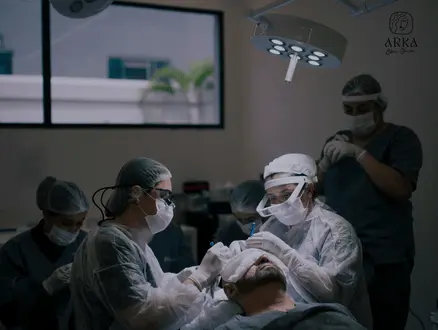
Hair loss affects millions of men and women and can significantly impact confidence, appearance, and quality of life. While treatments like medications and PRP can slow down hair thinning, only a hair transplant can permanently restore lost hair. But not everyone experiencing hair fall or baldness is the right hair transplant candidate. This detailed guide by Arka Skin Clinic explains hair transplant eligibility, minimum age for hair transplant, medical considerations, donor requirements, and a complete consultation checklist to help you understand whether you qualify for the procedure. Who Is a Good Candidate for a Hair Transplant? Anyone considering a transplant must meet certain criteria to ensure safe surgery and successful results. Below are the factors that define a suitable hair transplant candidate. 1. You Have a Healthy and Sufficient Donor Area A strong donor area is the most essential requirement for a hair transplant. This typically includes the back and sides of the scalp, where hair follicles are genetically resistant to balding. Characteristics of a good donor area: Good follicular density Thick and strong hair strands Minimal thinning Adequate graft availability (usually 2000–4000+ grafts depending on baldness) No scarring or infection A transplant does not create new hair; it redistributes existing hair. Therefore, a healthy donor area directly influences the final outcome. 2. Your Hair Loss Pattern Is Stable One of the key elements of hair transplant eligibility is whether your hair loss has stabilized. Signs of stable hair loss: No rapid shedding in the last 6–12 months No sudden receding hairline Medications (if used) have stabilized the condition Baldness progression is predictable If the hair loss is still active, a premature transplant may result in uneven results or the need for several corrective surgeries. 3. You Have Good Hair Characteristics Certain natural hair features help produce a denser and more visually appealing result. Favorable hair characteristics include: Thick hair shafts Wavy or curly hair Low contrast between hair and skin tone Strong follicular units People with these characteristics often achieve better coverage with fewer grafts. 4. You Are in Good Overall Health General health plays a major role in determining hair transplant eligibility. A healthy individual has: Better healing capacity Reduced risk of infections Higher graft survival rate Fewer surgical complications Minor health issues are manageable, but chronic illnesses must be stable. 5. You Have Realistic Expectations A good hair transplant candidate understands: A transplant restores natural-looking hair but cannot recreate childhood density Severe baldness may require multiple sessions Medications may still be needed to maintain native hair Results take 9–12 months to fully develop Being mentally prepared leads to a more satisfying experience. Hair Transplant Eligibility Criteria in India At Arka Skin Clinic, surgeons follow well-defined standards when assessing hair transplant eligibility in India. This ensures patient safety and long-lasting results. 1. Age and Baldness Pattern Recommended age: 25+ years Assessment includes Norwood Scale (men) or Ludwig Scale (women) Family history and future hair loss prediction A mature hairline is planned keeping future thinning in mind. 2. Grade of Baldness Hair transplant viability depends on the extent of baldness. Typical graft requirements: Mild baldness: 1000–1500 grafts Moderate baldness: 2000–3500 grafts Advanced baldness: 4000–5500+ grafts The surgeon evaluates whether the donor area can support your coverage requirements. 3. Donor Area Density Density is one of the biggest factors determining eligibility. Ideal density: 50–60 follicular units/sq. cm If density is low, beard hair or body hair may be used 4. Scalp Condition A healthy scalp is essential. Conditions that must be controlled before surgery include: Dandruff or seborrheic dermatitis Psoriasis Folliculitis Scalp infections 5. Medical Clearance Preoperative evaluation in India typically includes: Blood sugar Thyroid profile BP check ECG (for older patients or those with heart history) This ensures safe anesthesia and better post-surgery recovery. Minimum Age for Hair Transplant The recommended minimum age for hair transplant is 25 years.While some patients below this age may undergo the procedure, surgeons prefer waiting until hair loss stabilizes to avoid unpredictable results. Why age matters: Prevents designing an immature hairline Helps avoid future patchiness Prevents multiple corrective surgeries Medical Conditions That Affect Hair Transplant Eligibility Part of the assessment process is identifying any medical conditions for hair transplant that may pose risks. 1. Diabetes A common question patients ask is: Can I get a hair transplant if I have diabetes? Controlled diabetes: Eligible Uncontrolled diabetes: Not eligible until stabilized Uncontrolled sugar levels impair healing and increase infection risk. 2. Blood Pressure Problems High BP must be controlled before surgery. Patients take medications as directed by their physician. 3. Thyroid Disorders Hypothyroidism and hyperthyroidism can worsen hair fall.Thyroid levels must be stabilized before transplantation. 4. Autoimmune Disorders Conditions such as alopecia areata can cause graft rejection.A transplant is usually avoided until the disease is inactive. 5. Heart Conditions Patients with cardiac issues may require clearance from a cardiologist. How Much Donor Area Is Needed for a Hair Transplant? The strength of your donor area determines the number of grafts that can be safely harvested. General donor area requirements: Good hair density Strong follicle health At least 2000 grafts for moderate baldness Up to 5000 grafts for extensive baldness If the donor area is insufficient, alternative donor sources like beard or body hair may be used. Signs You Are a Good Candidate for Hair Transplant Here are the main signs you are a good candidate for hair transplant: You have stable hair loss Your donor area is strong You are in good health Your scalp is free from infection You understand the expected results You can commit to post-care instructions Meeting most of these criteria indicates strong eligibility. Who Should Not Get a Hair Transplant? Not everyone is suitable. Below are the main categories under who should not get a hair transplant: Patients with uncontrolled diabetes Individuals with active hair loss People with very poor donor density Those with scalp infections or autoimmune hair diseases Individuals with unrealistic expectations Patients with uncontrolled hypertension or heart issues Surgeons always prioritize patient safety and long-term
Hair Transplant in Gurugram: The Real Facts You Need to Know

Hair loss is a growing concern among men and women across all age groups. Whether caused by genetics, stress, hormonal imbalance, or lifestyle factors, losing hair can impact your confidence and overall appearance. If you’re searching for an effective and long-lasting solution for hair loss, you’ve likely heard about hair transplant treatments. But before deciding, it’s important to know the real Hair Transplant Facts — how it works, who it’s suitable for, and what to expect. At Arka Skin Clinic, Gurugram, we specialize in advanced hair restoration and focus on delivering natural-looking, safe, and customized results. Let’s explore everything you should know about hair transplant procedures in Gurugram and separate fact from fiction. What Is a Hair Transplant? A hair transplant is a medical procedure that moves healthy hair follicles from an area with dense hair growth (known as the donor area) to a bald or thinning area (called the recipient area). This procedure is performed under local anesthesia, making it virtually painless and minimally invasive. The transplanted hair follicles continue to grow naturally over time, providing long-term and realistic results. Popular Hair Transplant Techniques in Gurugram At Arka Skin Clinic, we use modern, globally recognized methods to ensure natural density and precision. The two most common techniques are: 1. Follicular Unit Transplantation (FUT) In the FUT method, a small strip of scalp containing hair follicles is taken from the donor area and divided into individual grafts. These grafts are then implanted into the bald region. Advantages: Ideal for covering larger bald areas Can achieve high-density results in fewer sessions Considerations: May leave a fine linear scar (hidden under existing hair) Slightly longer recovery time compared to FUE 2. Follicular Unit Extraction (FUE) The FUE method involves extracting individual hair follicles directly from the donor area using micro-surgical tools. Each follicle is then carefully implanted into the recipient site, following the natural growth direction. Advantages: No linear scar Quicker recovery and minimal discomfort More flexibility in styling and hair length Considerations: May take longer depending on the number of grafts needed Requires a highly skilled surgeon for precision At Arka Skin Clinic in Gurugram, our specialists analyze your scalp, hair texture, and hair loss pattern to decide which technique will give you the most natural and lasting results. Who Is a Good Candidate for Hair Transplant in Gurugram? Not everyone experiencing hair loss is automatically suitable for a transplant. You may be a good candidate if you: Have stable hair loss (not rapidly progressing) Have enough donor hair on the back or sides of your head Are in good general health Have realistic expectations about the results Our dermatologists at Arka Skin Clinic will conduct a detailed consultation and scalp analysis to determine whether you’re a good candidate and which approach will work best for you. Before, During, and After the Procedure Before the Procedure Your doctor will: Assess your scalp and donor area Design your new, natural-looking hairline Provide pre-procedure instructions (such as avoiding smoking or certain medications) The procedure is performed under local anesthesia, so you’ll remain comfortable throughout. During the Procedure Depending on the number of grafts needed, a hair transplant in Gurugram can take between 4 to 8 hours. You can relax, listen to music, or even take short breaks during the session. Each follicle is placed with care and precision to ensure even density and a natural hair growth direction. After the Procedure You might experience slight redness or swelling for a few days, which gradually subsides. Most patients can return to work within a week. The transplanted hair will shed after a few weeks — this is normal — and new hair begins to grow around 3–4 months later. Noticeable improvements are usually visible between 6 to 12 months after the procedure. Are Hair Transplants Permanent? The transplanted hair follicles are typically resistant to hair fall and continue to grow for many years. However, the natural hair around them may still thin with age. To maintain the best results, follow your doctor’s advice, maintain a healthy lifestyle, and schedule periodic follow-ups at Arka Skin Clinic, Gurugram. Benefits of a Hair Transplant Here are some key benefits of getting a hair transplant in Gurugram: Natural Appearance: Since your own hair is used, results look realistic and blend seamlessly. Safe and Reliable: Performed under medical supervision using advanced techniques. Boosts Confidence: A fuller hairline helps enhance your overall appearance. Low Maintenance: Once the transplanted hair starts growing, it requires no special care. Long-Lasting Results: Transplanted hair follicles are generally permanent. At Arka Skin Clinic, our goal is not just to restore your hair but to restore your confidence with a natural, youthful look. Common Myths vs. Facts About Hair Transplants Myth Fact Hair transplants look artificial Modern FUE and FUT techniques ensure natural, undetectable results. It’s only for men Women can also undergo hair transplant procedures successfully. Results appear immediately New hair growth takes several months to become visible. It’s painful The procedure is done under local anesthesia with minimal discomfort. It stops all hair loss Transplanted hair is permanent, but existing hair may still thin over time. Post-Transplant Care Tips for Best Results and Hair Transplant Facts To maintain optimal results after your hair transplant in Gurugram, follow these care guidelines: Avoid touching or scratching the transplanted area. Follow post-procedure instructions carefully, including gentle hair washing. Use prescribed shampoos or medications only as advised by your doctor. Eat a balanced diet rich in iron, zinc, and protein to support hair growth. Avoid smoking and alcohol as they may slow down healing. Attend regular follow-up visits for professional guidance and monitoring. Why Choose Arka Skin Clinic for Hair Transplant in Gurugram If you’re looking for the best hair transplant clinic in Gurugram, Arka Skin Clinic stands out for its medical expertise, transparency, and patient-centered care. Here’s why people across Gurugram trust us: Experienced Hair Transplant Specialists with years of clinical experience Advanced FUE and FUT technologies for precision and natural density Personalized treatment plans tailored to your unique hair type and scalp condition Hygienic, comfortable, and fully equipped facility Comprehensive aftercare and follow-up support Our focus is always on achieving the most natural-looking results that enhance your overall appearance — safely and effectively. Key Takeaways on Hair Transplant Facts Hair transplant is a proven,
Hair Transplant: What to Expect in Your First 6 Months

Getting a hair transplant is a big and exciting step toward regaining your confidence. But after the procedure, many people wonder what the recovery process will be like and when they can expect to see results. Understanding your hair transplant recovery timeline helps you know what’s normal, what to do at each stage, and how to take proper care of your scalp for the best outcome. This guide from Arka Skin Clinic explains your first 6 months after a hair transplant in simple language — so you can feel informed, calm, and ready for every stage of your recovery. Why It’s Important to Understand Your Hair Transplant Recovery The hair transplant procedure is only one part of your transformation. The real magic happens afterward — during the healing and recovery process. When you know what to expect, you can: Take better post-surgery care of your scalp Avoid unnecessary stress or panic Support faster healing Encourage healthy and natural hair growth Now let’s look at what happens month by month in your hair transplant recovery journey. Week 1: Healing and Care What to Expect: In the first week, your scalp may feel slightly sore or swollen. You might see some redness or tiny scabs where the new hair grafts were placed. This is completely normal and part of the body’s natural healing process. How to Take Care: Use only the shampoo and medicines your doctor recommends. Avoid touching, scratching, or rubbing the grafts. Sleep with your head slightly elevated to reduce swelling. Stay away from sunlight, heat, and sweat. This is the most sensitive stage of your recovery, so handle your scalp very gently. Weeks 2–3: Shedding Phase (Don’t Worry, It’s Normal) What Happens: During the second and third weeks, some of the transplanted hairs may start to fall out. This is called “shock loss” and it’s a completely normal part of the hair transplant healing process. It might feel discouraging, but remember — the roots are still healthy and firmly attached under your scalp. The hair will grow back stronger in the coming months. How to Manage: Continue gentle hair washing. Don’t apply hair oil, gel, or other products unless your doctor says it’s okay. Avoid worrying about hair fall during this stage. It’s temporary. Month 1–2: Internal Healing and Patience You might not see visible changes on the outside during this time, but a lot is happening beneath the surface. The hair roots are healing, adjusting, and preparing for new growth. What You Might Notice: Mild itchiness or tightness on the scalp. Some small pimples where new hair is about to grow. How to Take Care: Keep your scalp clean and lightly moisturized (as advised by your clinic). Avoid heavy exercise and sweating. Eat a balanced diet and stay hydrated. This stage requires patience — even if you don’t see new hair yet, your follicles are doing important internal work. Month 3–4: New Hair Growth Begins By the third or fourth month, you’ll start to notice fine, thin hairs growing in the transplanted area. These new hairs might look soft and light at first, but they will gradually thicken and darken. What to Expect: Early growth may look uneven — this is normal. Some hairs may shed again as they go through the natural growth cycle. Recovery Tips: Avoid chemical treatments or hair coloring. Maintain good nutrition with plenty of protein and vitamins. Continue following all post-op care instructions. This stage marks the exciting start of visible progress in your hair transplant hair growth timeline. Month 5–6: Noticeable Growth and Confidence Boost By the fifth or sixth month, your new hair will be more noticeable. It becomes thicker, stronger, and starts blending naturally with your existing hair. What You’ll See: Increased density in the transplanted area. Improved hair texture and volume. Continued healing of the donor area. How to Take Care: You can resume normal hairstyling. Keep eating a nutritious diet to support growth. Attend follow-up visits at your clinic to track progress. At this point, you’ll feel more confident and positive as your new hair continues to grow each week. What’s Happening Beneath the Surface Even when results aren’t visible right away, your scalp goes through important internal stages: Days 1–10: Grafts take root and stabilize. Weeks 2–6: Temporary hair shedding occurs. Months 2–3: Follicles rest and strengthen. Months 3–6: New hairs begin to grow and thicken. Understanding this natural cycle helps you stay patient and focused during your hair transplant recovery stages. Hair Transplant Recovery Tips for Better Results To make your recovery smooth and effective, follow these essential hair transplant recovery tips: Follow all aftercare instructions from your doctor. Avoid smoking and alcohol during the recovery period. Drink plenty of water and eat a balanced diet. Stay away from tight hats or helmets for the first few weeks. Protect your scalp from sunlight. Keep stress low and sleep well. Be patient — healthy hair takes time to grow. Consistency and care play a major role in achieving a healthy outcome. Your Emotional Recovery: Stay Positive Recovering from a hair transplant is not only physical but also emotional. It’s natural to feel impatient when results take time to appear. Taking monthly photos of your progress helps you see how far you’ve come. Remember, each stage — from shedding to new growth — means your hair is getting stronger. Trust the process and stay positive. When to Contact Clinic While most recoveries go smoothly, you should contact your doctor if you notice: Redness or swelling that lasts more than two weeks Unusual pain or discomfort Any discharge or signs of infection At Arka Skin Clinic, our team is always available to support you and guide you through your recovery journey. Frequently Asked Questions (FAQs) Q1. How long does it take to recover from a hair transplant?Most people heal externally in about 2–3 weeks, while full recovery and visible results take several months. Q2. When can I go back to work?You can usually return to work within a
FUE vs. FUT Hair Transplant: Which Method Delivers Better Results

Hair loss is a common concern affecting millions of people worldwide. It can impact confidence, appearance, and self-esteem. Thankfully, modern hair transplant techniques like FUE vs FUT Hair Transplant provide effective solutions. Both methods are popular, but each has unique advantages, procedures, and outcomes. In this comprehensive guide, we explore the FUE vs FUT comparison, including procedure details, benefits, success rates, costs, results, and patient reviews. Understanding Hair Transplant Techniques: FUE and FUT Before diving into comparisons, it’s important to understand what FUE and FUT hair transplant procedures are. What is FUE Hair Transplant? FUE (Follicular Unit Extraction) involves extracting individual hair follicles from the donor area, usually the back or sides of the head, and implanting them into thinning or bald areas. It’s minimally invasive and does not leave a linear scar. Key Points About FUE Hair Transplant Procedure: Individual follicular units are harvested. Tiny dot-like scars, almost invisible after healing. Faster recovery time, usually 7–10 days. Ideal for short hairstyles and smaller areas of hair loss. Suitable for patients wanting minimal invasiveness. What is FUT Hair Transplant? FUT (Follicular Unit Transplantation), also known as strip surgery, involves removing a strip of scalp from the donor area. The strip is then dissected under a microscope into individual follicular units, which are implanted into bald or thinning areas. Key Points About FUT Hair Transplant Procedure: Strip of scalp removed, then dissected into grafts. Linear scar in the donor area (usually hidden by surrounding hair). Can harvest a larger number of grafts in a single session. Longer recovery time, approximately 10–14 days. Often preferred for extensive hair loss. FUE vs FUT Comparison: Technique, Recovery, and Scarring Understanding the differences helps patients make an informed decision. Here’s a detailed FUE vs FUT comparison: Feature FUE Hair Transplant FUT Hair Transplant Donor Harvest Individual follicles Strip of scalp Scarring Tiny dot-like, almost invisible Linear scar, may be noticeable Recovery Time 7–10 days 10–14 days Pain Level Minimal Moderate Hair Density Moderate, session-dependent High, suitable for large bald areas Best For Small to medium hair loss Extensive hair loss Cost Slightly higher per graft More cost-effective for large sessions Benefits of FUE and FUT Hair Transplant FUE Hair Transplant Benefits Minimal Scarring: Ideal for those who wear short hairstyles. Faster Recovery: Patients return to normal activities within a week. Less Invasive: Fewer stitches and less discomfort. Flexibility: Can be combined with other cosmetic procedures if needed. High Patient Satisfaction: Excellent natural-looking results with careful placement. FUT Hair Transplant Benefits Higher Graft Yield: Large areas can be covered in a single session. Better for Extensive Hair Loss: Provides dense coverage. Cost-Effective for Large Sessions: Less labor-intensive per graft. Precision: Microscopic dissection ensures high-quality grafts. Long-Term Results: Transplanted follicles are usually resistant to hair loss. FUE vs FUT Results: What to Expect Both FUE and FUT deliver natural results, but there are some distinctions: Hair Density: FUT can achieve slightly higher density per session due to the large number of grafts. Scarring: FUE leaves minimal visible scarring, whereas FUT leaves a linear scar that may show with very short hairstyles. Recovery: FUE patients experience quicker healing. Long-Term Growth: Both procedures provide permanent hair growth, with follicles resistant to future hair loss. Success Rates: FUE Hair Transplant vs FUT Hair Transplant Understanding success rates is crucial: FUE hair transplant success rate: 90–95%, depending on surgeon skill and post-operative care. FUT hair transplant success rate: 95–98%, especially effective in large sessions due to intact follicular units. Both methods are highly successful when performed by experienced professionals. FUE vs FUT Cost: How Much Should You Expect? Cost varies depending on clinic, location, and the number of grafts required. FUE vs FUT cost: FUE: Typically higher per graft due to labor-intensive extraction. FUT: More affordable for large sessions as strip harvesting is faster. While FUE is preferred for cosmetic reasons (minimal scarring), FUT can be more cost-effective for patients requiring extensive coverage. FUE vs FUT Reviews: Patient Experiences Patient feedback helps gauge real-world outcomes: FUE reviews: Emphasize minimal scarring, fast recovery, and natural-looking results. Patients appreciate freedom to style short hair after surgery. FUT reviews: Highlight high density and effectiveness for severe hair loss. Some note the linear scar but report high satisfaction overall. Factors to Consider When Choosing Between FUE and FUT Extent of Hair Loss: Small patches may benefit more from FUE; extensive baldness often requires FUT. Hairstyle Preferences: Short hair? FUE is better to minimize visible scarring. Budget: FUT may be more economical for large sessions. Recovery Time: FUE allows quicker return to work and social activities. Surgeon Expertise: Ensure the clinic has experience in both techniques for best outcomes. Frequently Asked Questions (FAQs) Q1. Which hair transplant method is less painful, FUE or FUT?A1. FUE is generally less painful due to minimal invasiveness and no linear incision. FUT may cause moderate discomfort during recovery. Q2. Can I wear short hairstyles after FUT?A2. FUT leaves a linear scar, which can be noticeable with very short hair. FUE is better if you prefer very short hairstyles. Q3. How long does it take to see full results?A3. Hair growth usually begins 3–4 months post-surgery, with full results visible after 9–12 months for both FUE and FUT. Q4. Are FUE results permanent?A4. Yes. Transplanted follicles are resistant to hair loss, making results permanent for most patients. Q5. Which is more cost-effective for large areas?A5. FUT is generally more affordable for extensive hair restoration because more grafts can be harvested in a single session. Q6. Can FUE and FUT be combined?A6. In some cases, surgeons may combine both methods for optimal coverage, especially in patients with significant hair loss. Final Thoughts: FUE vs FUT Hair Transplant When deciding between FUE vs FUT Hair Transplant, both procedures offer excellent results, but your choice depends on hair loss extent, lifestyle, and personal preferences: FUE: Ideal for minimal scarring, quicker recovery, and short hairstyles. FUT: Best for maximum graft yield, dense coverage, and extensive hair loss. Consulting an experienced hair transplant surgeon will
Best Hair Transplant Options in 2025 Complete Guide

Hair loss affects millions of men and women worldwide. It can begin early due to genetics or appear later because of stress, illness, or aging. Many people try shampoos, oils, or medications; however, these often provide only temporary or limited results. In contrast, a hair transplant offers a medical solution that restores your own natural hair permanently. This guide explains the process step by step. It covers what hair transplant guide are, the techniques used, recovery, results, risks, and real-life examples of who benefits the most. What Is a Hair Transplant? A hair transplant is a procedure in which healthy hair follicles move from one part of your scalp (the “donor area,” usually the back of your head) to bald or thinning areas (the “recipient area”). Once transplanted, the hair continues to grow naturally in its new location, just like the rest of your hair. Why Consider a Hair Transplant? People choose hair transplants for several reasons: Genetic baldness: The most common cause of hair loss. Scarring from accidents or surgery: A transplant can cover scars. Self-confidence: Restoring hair often boosts personal and professional confidence. Failed alternatives: Many patients come to Arka Skin Clinic after trying medications or PRP therapy without long-term success. Example: A 35-year-old man with male pattern baldness may regain a fuller hairline and feel more confident in his career and social life after a transplant. Types of Hair Transplant Techniques 1. Follicular Unit Transplantation (FUT) The surgeon removes a thin strip of scalp from the donor area. Hair follicles are then separated under a microscope and transplanted. This method leaves a fine linear scar, usually hidden under hair. It works best for patients who need large coverage in one session. Example: FUT is often chosen by patients with advanced baldness who want maximum grafts in fewer sittings. 2. Follicular Unit Extraction (FUE) Individual hair follicles are extracted directly from the donor area using tiny punches. The surgeon implants follicles into the recipient area one by one. This method leaves no visible scar and allows quicker recovery. It is popular among younger patients who prefer short hairstyles. Example: A man in his 20s with early hairline thinning may choose FUE because it leaves no visible scar, allowing him to maintain a short haircut. Who Is a Good Candidate for a Hair Transplant? At Arka Skin Clinic, doctors carefully evaluate patients before recommending a procedure. They consider: Age: Ideal candidates are usually over 25, when hair loss patterns stabilize. Extent of hair loss: Early thinning may respond to PRP, while baldness often requires a transplant. Donor hair availability: Strong hair at the back or sides increases success. Health: People with chronic conditions may need extra precautions. Example: A 40-year-old woman with thinning along her part line but strong donor hair at the back of her scalp often qualifies as an excellent candidate. What Happens During the Procedure? At Arka Skin Clinic, the procedure follows a structured process: Consultation: The doctor examines your scalp and designs a natural-looking hairline. Preparation: Local anesthesia ensures comfort throughout the session. Extraction: Follicles are collected using FUT or FUE. Implantation: The surgeon places follicles at the correct angle and density. Completion: The scalp is cleaned, and you receive aftercare instructions. Example: In an FUE procedure, 2,000 grafts may be transplanted in one session to cover a receding hairline and crown area. Recovery After a Hair Transplant Recovery usually feels straightforward, and progress follows clear stages: Day 1–2: Mild swelling or tightness may occur. Day 3–5: Tiny scabs form around grafts. 2 weeks: Scabs fall off naturally. 1–3 months: Transplanted hair sheds, making way for new growth. 3–6 months: New hair begins growing visibly. 9–12 months: Final results appear. Example: A patient who undergoes a transplant in January may see visible new growth by May and enjoy a natural, full look by December. Benefits of a Hair Transplant Permanent solution: Unlike wigs or topical products, transplanted hair grows for life. Low maintenance: Once it grows, no special care is required. Natural look: When performed by skilled specialists, results blend seamlessly. Cost-effective long term: The upfront investment lasts a lifetime. Example: A patient who spent years buying expensive shampoos finds one transplant session more effective and cost-saving in the long run. Risks and Considerations Although generally safe, some risks exist: Temporary numbness in the treated area. Uneven density if handled by inexperienced surgeons. Therefore, choosing a trusted clinic like Arka Skin Clinic reduces these risks through proper hygiene, advanced technology, and skilled specialists. Cost of a Hair Transplant The price varies depending on: The number of grafts required. The surgeon’s experience. The clinic’s facilities and technology. Example: Someone needing 1,500 grafts for hairline correction may pay significantly less than a patient requiring 4,000 grafts for full coverage. Results: What to Expect After a Hair Transplant Early Stage: Some shedding is normal and temporary. Medium Stage: New hair first appears fine but thickens over time. Final Stage: After 12 months, results look completely natural. Example: A patient bald on the crown may see patchy coverage by month 4, fuller growth by month 8, and a natural look by month 12. Hair Transplant Guide: Quick Checklist Book a consultation with a qualified doctor. Decide between FUT or FUE based on your needs. Follow aftercare instructions carefully. Stay patient—results take up to a year. FAQs on Hair Transplants Q1: Is the hair transplant procedure painful?A: No. Local anesthesia ensures patients feel only mild discomfort. Q2: How long do the results last?A: Results remain permanent because transplanted hair grows for life. Q3: Can women undergo hair transplants?A: Yes. Women with thinning hair or bald patches often benefit. Q4: How soon can I return to work?A: Most patients resume normal activities within 3–5 days. Q5: Can a transplant fix complete baldness?A: It depends on the availability of donor hair. Conclusion Hair Transplant Guide Hair loss does not need to define your future. A Hair Transplant Guide provides a safe, natural, and lasting solution. By understanding the techniques, benefits, and expectations,
Guide to Hair Transplant

Hair loss is one of the most common concerns among men and women today. It can lower confidence, affect appearance, and even impact social or professional life. Many try oils, medications, and home remedies—but most of these give only temporary relief. If you are searching for a permanent solution to baldness or thinning hair, a hair transplant may be the answer. In this Guide to Hair Transplant, we’ll explain what it is, how it works, who is eligible, the different methods, costs, benefits, and why Arka Skin Clinic is the trusted choice for hair restoration. What is a Hair Transplant and How Does It Work? A hair transplant is a surgical procedure that moves healthy hair follicles from one part of your scalp (the donor area, usually the back or sides) to areas that are bald or thinning (the recipient area). The transplanted hair continues to grow naturally. It blends seamlessly with your existing hair. It offers a permanent and natural-looking solution. This procedure works because hair at the donor site is resistant to balding and keeps growing for life—even when moved to a new area. Who is the Right Candidate for a Hair Transplant? Not everyone with hair loss needs a transplant. You may be an ideal candidate if you: Have male or female pattern baldness. Have enough donor hair at the back or sides of your scalp. Are in good general health. Have stable hair loss (not rapidly worsening). We are looking for a long-term, permanent solution. Tip: Book a consultation at Arka Skin Clinic to check your eligibility and design a treatment plan that suits you. Different Types of Hair Transplant Techniques Explained There are two main types of hair transplant methods. Both have the same goal—restoring natural hair—but they differ in how follicles are extracted. FUT (Follicular Unit Transplantation): The Strip Method A small strip of scalp is removed from the donor area. Hair follicles are separated and transplanted to bald areas. Allows many grafts in one session but leaves a thin linear scar. FUE (Follicular Unit Extraction): The Modern Standard Individual hair follicles are directly extracted from the donor area. They are implanted one by one into thinning or bald regions. No stitches, minimal scarring, quicker recovery. Currently, the most preferred method worldwide. At Arka Skin Clinic, we specialize in FUE hair transplants, giving our patients safe, scar-free, and natural-looking results. Step-by-Step Guide to the Hair Transplant Procedure Wondering what actually happens during a transplant? Here’s a simple breakdown: Consultation & Hairline Design – Your doctor examines your hair loss and plans a natural-looking hairline. Preparation – Donor and recipient areas are cleaned and numbed with local anesthesia. Follicle Extraction – Healthy hair follicles are carefully removed (FUE or FUT). Implantation – Follicles are placed into bald areas using precise angles. Aftercare & Recovery – You’ll receive instructions and medications to support healing. The procedure is safe, and most patients feel little to no discomfort. Benefits of a Hair Transplant – Why It’s Worth It Choosing a hair transplant has life-changing benefits: Permanent solution – Transplanted hair grows for life. Natural appearance – Designed to match your original hairline. Low maintenance – Wash, cut, and style normally. Boost in confidence – Restores your self-image and presence. Cost-effective long-term – Saves money compared to repeated temporary treatments. Recovery After Hair Transplant – What to Expect Recovery is usually quick, especially with FUE. Here’s a timeline: Day 1–7 – Mild swelling or scabs; healing begins. Week 2–4 – Some shedding of transplanted hair (normal). Month 3–4 – New hair growth starts. Month 9–12 – Full, permanent results are visible. At Arka Skin Clinic, we provide complete aftercare guidance to ensure smooth healing and the best outcomes. Risks and Side Effects of Hair Transplant Surgery Hair transplants are generally safe when performed by experts. However, temporary side effects may include: Mild swelling on the scalp Temporary itching or scabbing Minor bleeding or soreness Shock loss (temporary shedding of nearby hair) These are short-lived and resolve with proper care. Choosing an experienced clinic like Arka Skin Clinic minimizes risks. Hair Transplant Cost in India – Factors You Should Know The cost of a hair transplant in India varies depending on: Technique used (FUE vs. FUT) Number of grafts required Doctor’s expertise Clinic’s location and facilities On average, prices range from ₹30,000 to ₹1,50,000 or more. At Arka Skin Clinic, we offer transparent pricing and personalized packages tailored to your needs. Why Choose Arka Skin Clinic ? Your choice of clinic is as important as the procedure itself. Here’s why patients trust us: Experienced doctors with proven expertise in hair restoration. Advanced technology for precision and safety. Natural-looking hairlines designed to suit your face. Hygienic, world-class facilities with strict safety standards. Affordable, transparent packages for all needs. At Arka Skin Clinic, we don’t just restore hair—we restore confidence. FAQs: Guide to Hair Transplant – Quick Answers Q1. Is a hair transplant permanent? Yes. Transplanted hair continues to grow naturally for life. Q2. Does the procedure hurt? No. It’s done under local anesthesia, making it painless. Q3. When will I see results? New hair starts growing in 3–4 months; full results in 9–12 months. Q4. Can women undergo hair transplants? Yes. Women with thinning or pattern baldness can benefit. Q5. Is hair transplant safe? Yes, especially when performed at a certified clinic by trained specialists. Conclusion This Guide to Hair Transplant shows that it’s the most effective, safe, and permanent solution to baldness and thinning hair. With modern techniques like FUE hair transplant, patients can expect natural results and quick recovery. At Arka Skin Clinic, we combine medical expertise, advanced technology, and personalized care to give every patient the confidence they deserve. 👉 Book your consultation today at Arka Skin Clinic and take the first step toward a fuller, confident you.
Best Hair Treatment Clinic in Gurugram for Hair Fall Solutions

Hair fall influences millions and can profoundly impact conviction and self-esteem. If you are looking for the best hair treatment clinic in Gurugram, one that provides proven solutions for hair loss, you have found a good position. At Arka Skin Clinic Gurugram, we specify effective, individualized hair fall treatments that revive hair and conviction. This blog will assist you to understand why hair loss grabs position, how to choose the wonderful clinic, and why Arka Skin Clinic stops out as the trustworthy option for hair restoration in Gurugram. Why Choosing the Best Hair Treatment Clinic Matters Not all hair clinics are equal. When traded with hair loss, expert care and modern technology make a global difference. Here’s what to expect from a peak hair clinic: Experienced Hair Fall Specialists Dermatologists are experts in determining and processing all kinds of hair loss. Extensive Skull and Hair Examination Modern digital tools to investigate scalp health and hair state thoroughly. Tailored Treatment Plans Tailored answers based on your hair type, cause of hair loss, and way of life. Last Machinery & Proven Processes Safe, FDA-approved remedies such as PRP therapy, laser remedies, and hair implants. Clear Process and Pricing Plain explanations, true advice, and no secret fees. Common Causes of Hair Fall We Treat Hair fall can have many causes. Identifying the root produce is crucial for powerful treatment. Genetic Baldness: Most common forms affect men and women. Nutritious Shortcomings: Lack of vitamins, crystals, and proteins. Emphasize and Way of life: Physical and emotional stressors can trigger hair shedding. Scalp Conditions: Dandruff, diseases, skin disease. Hair Care Exercises: Excessive styling, chemical substance treatments, heat damage. Advanced Hair Fall Solutions at Arka Skin Clinic We provide a wide variety of treatments to struggle hair loss and excite new growth: 1. PRP (Platelet-Rich Plasma) Therapy Use your own blood’s growth factors to stimulate hair follicles. Boosts organic hair growth and enhances thinning hair. Safe, marginally invasive, with no time off. 2. Hair Transplant Advanced abilities like (FUE) and (FUT). Executed by expert physicians for a natural-looking outcome. Renews subtle and density in effect. 3. Laser Hair Therapy Low-level laser therapy (LLLT) enhances blood circulation to scalp follicles. Encourages hair thickness and reduces shedding. 4. Scalp Treatments Deep cleansing and medicated treatments for dandruff and infections. Creates a healthy environment for hair growth. 5. Individualized Hair Growth Plans Nutritious direction and supplements. Customized topical and oral medications. What Happens During Your Visit to Arka Hair Clinic We focus on making your experience smooth, comfortable, and informative: Detailed Consultation & Scalp Analysis Your hair specialist conducts a thorough examination using digital tools. Personalized Treatment Planning We discuss your diagnosis and recommend the best treatment plan tailored for you. Therapy Sessions with Expert Concern All systems are executed by skilled dermatologists in a secure environment. Continuing Support and Follow-Up Normal check-ins to trail your development and adjust therapy as needed. Why Arka Skin Clinic is Gurugram’s Preferred Hair Clinic Skilled Experts with deep understanding of hair diseases. Moral and Transparent Approach with no hidden costs. Patient-Focused Care guarantees your comfort and contentment. Proven Success with many pleased clients across Gurugram. FAQs How long does it take to see the outcome from hair fall treatments? Most remedies show advance within 3 to 6 months, conditional on the person and treatment type. Are hair transplant processes distressing? Anesthesia is used, so trouble is minimal. Most patients tolerate it well. Can women obtain hair transplant and PRP therapy? Yes, treatments are personalized for both men and women undergoing hair loss. Is PRP therapy safe? Yes, it uses your own blood, reducing risk of side effects. How shall I support my hair after treatment? We provide customized hair care habits, nutriment guidance, and follow-up care. Conclusion Hair fall can be difficult, but with the right therapy and expert care, you can revive your hair and sureness. At Arka Skin Clinic Gurugram, we combine expert dermatologists, advanced treatments, and personalized care to give you lasting hair restoration results. Don’t let hair fall hold you back any longer. Ready to regain healthy hair? Book your consultation today at arkaskinclinic.com or call us at 99102 04578. Your hair deserves the best care — trust Gurugram’s top hair treatment clinic.
Top Causes of Hair Loss in Men and Women in Gurgaon

Hair loss affects tens of millions internationally, however in a quickly developing metropolis like Gurgaon, the impact is magnified through lifestyle, environmental inconvenience, and genetic science. Both women and men struggle with Hair Loss Causes, stark patches, or instantaneous losing—and it’s no longer simply ornamental. It influences self-assurance, self-image, and touchy well-being. At Arka Skin Clinic, the No.1 hair clinic for hair fall treatment and hair transplant in Gurgaon, we specialize in diagnosing the root motives of hair loss and freeing individualized, tested remedies. Whether you are running through hair dilution, dandruff, or thinking about a hair transplant, this handbook will help you understand the causes—and the easy replies available. Common Hair Loss Causes in Men and Women 1. Genetical Causes (Androgenetic Alopecia) One of the most common causes of hair fall in both men and women is hereditary hair loss. Men often experience a receding hairline and bald patches. Women typically notice hair thinning across the scalp or a widening hair part. Solution: Our clinic provides extensive assessments and advanced hair transplant procedures such as FUE (Follicular Unit Extraction) and FUT (Follicular Unit Transplantation), executed by specialists. Hormonal Unbalance Endocrine performs an essential role in regulating hair growth periods. Males: Boosted grades of DHT reduce hair nerves. Women: Maternity, menopausal, or thyroidal diseases can aggravate hair loss. Solution: At Arka, we direct in-depth age-related surveys to determine the best path of activity, including medicated treatments, nutritional support, and living counseling. Nutritious Defects Defects in iron, biotin, zinc, and protein can severely affect hair strength and growth. Common in fast-paced urban lifestyles Often missed without lab testing Solution: We offer customized nutritional counseling and suggest hair-friendly fares ahead with medical-grade supplements, ensuring your hair receives all essential nutrients. Stress and Emotional Health In Gurgaon’s high-pressure environment, stress is a leading cause of hair loss (Telogen Effluvium). Affects hair growth cycles Causes temporary but noticeable shedding Solution: Our specialists focus on holistic treatment plans, combining stress management strategies with medical intervention to restore hair health. Scalp Situation and Dandruff Scalp condition is often ignored, but conditions such as flake, seborrheic dermatitis, or fungus infections can immediately affect hair growth. Leads to redness, irritation, and follicle harm Deteriorate with poor hygiene or inappropriate hair products Solution for : Our dandruff treatment in Gurgaon includes targeted medicated therapies, scalp detox, and maintenance products for long-term relief. Misuse of Styling Products and Heat Equipment Regular use of heat fashionable tools, hair dyes, and chemical therapies can weaken the hair shaft. Motives breakage, thirst, and unchangeable damage Often neglected until modern stages of hair thinning Solution for Hair Loss Causes: We offer the best hair care services in Gurgaon, involving repair remedies, deep conditioning, and professional scalp care routines. Medical Conditions and Medications Hair loss can be a side effect of various medical treatments or conditions, including: Autoimmune disorders Chemotherapy Solution: We work beside your doctor to grow a bespoke plan concentrated on minimizing loss and expediting regrowth with cultural therapies like PRP (Platelet-Rich Plasma). Modern Hair Loss Treatment Alternatives at Arka Skin Clinic At Arka Skin Clinic, we arrogance ourselves about the existence of a top-rated center for hair fall treatment and hair transplant in Gurgaon. Here’s how we handle hair loss at every stage: Hair Transplant Procedure We specialize in safe, effective procedures using FUE and FUT techniques with guaranteed results and natural-looking hairlines. PRP Therapy A non-surgical treatment that uses your own blood platelets to stimulate follicle activity and encourage regrowth. Skull Detox and Dandruff Management Our skin doctors offer tailored scalp remedies to control scaly, redness, and bacterial infections. Laser Hair Treatment Low-Level Laser Therapy (LLLT) advances transmission and renews dormant follicles, extraordinarily effective for early-stage hair dilution. Medical Treatments and Additions Medicine-strength answers, topical requests like hair regrowth treatment, and traditional supplement regimens based on lab tests. Why Choose Arka Skin Clinic? Confirmed Trichologists and Skin care professionals Personalized Hair Restoration Plans Transparent Pricing and Ethical Treatment Proven Results in Treating Hair fall in Men and Women We are proud to be the best hair loss treatment and hair transplant clinic in Gurgaon, consistently rated for our advanced care and patient-first approach. FAQs: Hair Loss Causes in Men and Women What are early signs of hair loss I should watch for? Thinning on the crown or temples Excessive shedding while combing or washing A wider part or patchy hair loss How do I recognize if I require a hair implant? If you have a shrinking hairline or bald stains due to heredity and no achievement with non-surgical methods, a transplant is a long-term solution. Does dandruff produce hair loss? Yes. Continuing flakes can provoke your scalp and reduce follicles. Proper dandruff treatment is important for healthy hair growing. How long does it take to see the outcome for hair treatment? PRP: 3–6 months Hair Transplant: 6–12 months Remedies: Slow progress over 3 months What is the price of therapy or transplant in Gurgaon? Charges vary based on the scope of hair loss and therapy type. We offer free conversations and personalized packages. Master Pointers for Healthy Hair Clean your hair with soft shampoo 2–3 times a week. Stop hard hairstyles and excessive warm styling. Feed a sensible diet wealthy in iron, ascorbic acid, and protein. Remain humidified and control your stress levels. Seek accomplished advice at the first sign of constant hair fall. Conclusion: Regain Your Hair, Regain Your Confidence Hair loss is general—but it does not have to be lasting. With good diagnosing and master direction, you can revive your hair and conviction. Whether you require a dandruff treatment, hair transplant, or an individualized hair fall solution, Arka Skin Clinic is here to help. Book your consultation today at the best hair clinic in Gurgaon. Let’s create a treatment plan that fits your needs, lifestyle, and hair goals. Arka Skin Clinic – Trusted Experts in Hair Care, Dandruff Control & Hair Transplants in Gurgaon. We don’t just treat hair—we restore confidence.